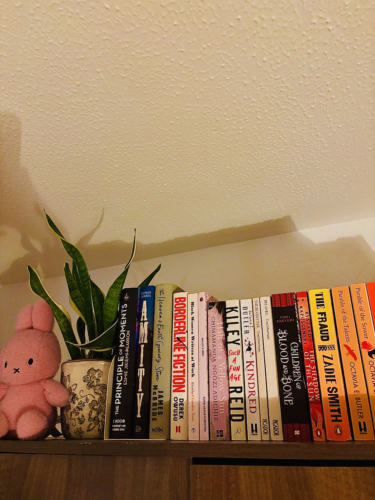
In 2020, my second-biggest reading year, I didn’t read a single book by a Black author. I was, and still am, horrified.
Last year, I read seven books written by Black authors.
In 2025, I also read more books than in any year since before I even knew what Goodreads was: 35 books, 20% by Black authors.
My family is made up of 75% Black people. I grew up on plantain and okra, on Blue Magic cornrows, with sun-loved cousins and joyful, dancing aunties, and a grandmother with the brightest smile and the most delicious pepper soup. I was raised by the proudest Mende father and the most giving mother, both so deeply in love with all the melanin, curl, and culture that made me part of us, and her part of we.
With her nurturing, I grew to be angry, to be kind, to be curious and stubborn. To be so deeply in love with we and us. It meant that I would, and will, always invest myself in Blackness: in who I want to be and get to be, and what it means to move as an ebony tree in this world.
I care so immovably about who we are and how we participate in the creative industry, made not with us in mind, like many things — particularly because creation is the flower pot I grow out of. Reading and writing have both been anchors, suns to orbit, to worship, throughout my life.
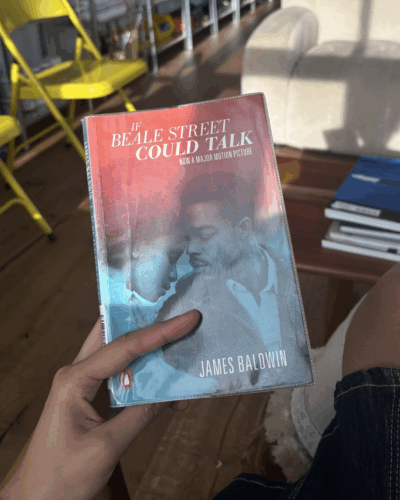
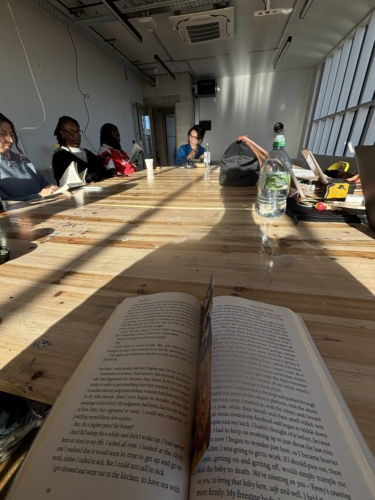
A lovely friend of mine gifted me a copy of If Beale Street Could Talk by James Baldwin after realising, with shock, that I’d never read it. It was around this time that I began attending book clubs with Black readers specifically in mind.
It was also around this time that I looked back on my year of reading. I read Caleb Azumah Nelson’s Open Water, and some hidden wisp of my soul was touched — then again when reading Baldwin. It felt like looking in the mirror, like replanting seeds in fertile soil, like reaching land.
Around this time, I had only read two Black authors that year. By the end, it was seven. I reflected on my reading records in 2020 (my second-biggest reading year), like many others book-bound in lockdown. That year, I didn’t read a single book by a Black author. I was, and still am, horrified.
As a child, reading was as much a vice as it was a virtue. In 2020, I remember writing a journal entry musing on my reading habits. I wrote to myself: What am I running away from? I wouldn’t sleep so I could read. I would read while trailing after my mum in the supermarket. I would get in trouble in class for reading instead of working. And yet I could count the Black authors I’d read before 2020 on one hand.
But why? As someone who spent all her conscious years furious and outspoken about Blackness — her right to Blackness, our right to Blackness — why?
The simplest answer is, of course, that Black and Brown writers have historically been underrepresented in the creative industry, particularly in literature. We often rely on surface-level phrases that allow people, en masse, to gesture at awareness without ever truly interrogating how the marginalisation of Black and Brown people is being addressed. This should be personal at every level of the industry, including with us as readers.
Growing up, I spent inconceivable amounts of time in the school library. I hated going outside during break time and would always find myself there instead. There were, to my knowledge and memory, little to no books by Black authors. If there were, they were not presented, promoted, or suggested to me.
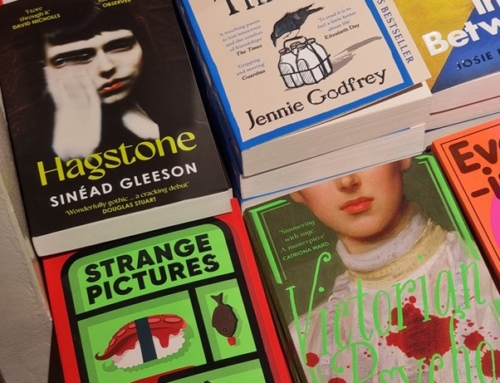
When I was older, after collecting enough pocket money, I would spend longer than needed scouring promotional tables, staff picks, and curated genre displays. Even now, outside of Black History Month, these displays feature a pathetic splattering of Black authors.
Now, at 22, lucky and filled with stardust, I have spoken and listened to many Black authors, creatives, and publishing professionals about their work and battles. It has always been clear to me that far too much still needs to be done to balance the attentiveness that is rarely extended to Black authors in publishing. Unless I am actively looking for it, press and marketing campaigns are not centred on Black authors. When friends, colleagues, or algorithms recommend books, unless it is a deliberate conversation point, they are not by Black authors.
In an article published by the Black British Book Festival — one very much worth reading — I learned that annual Nielsen BookScan data shows that titles by Black authors make up just 3% of the UK’s bestselling books.
We already know there’s a problem. This is clear. So now what?
Last year I read seven books by Black authors, and that’s likely more than too many people have read in their lifetimes. This is why reading intentionally should matter. It is why this year I wish to keep reading wildly, but to be intentional about what and why, as I am in all other areas of my life.
There is a numbing amount of discourse about anti-intellectualism and reading intentionally tumbling around online, which doesn’t require my two cents right now. But I will say, for the few people who think otherwise, that I don’t believe reading classics or literary fiction over poorly written romance is more important or intellectual than reading thoughtfully, curiously, diversely, and, of course, intentionally.
Reading is allowed to be fun, light, and entertaining, but I hope it’s Black too — and more than just sometimes. I hope we tell our friends, followers, and colleagues. I hope that reading intentionally can mean having fun or being studious, in a way that makes us think about who we are reading and why. I hope it is not only Black protagonists, but Black authors.
I implore us all to be intentional, because our stories are beautiful, and they can’t be ignored. We can’t pretend forever that this is being addressed just because we’ve named and looked at the issue. Let’s pay attention. Let’s love it and hate it, but read it and share it.
This year I will read Black authors intentionally, and I hope I can be read intentionally too.